Storage-First Architecture Decisions for LLM Serving Systems Targeting Million-Token Contexts
Organizing KV cache across memory tiers unlocks efficient million-token LLM serving.
Mei-Ling Tsao
NVMe bandwidth per token generated becomes the measure that governs LLM serving costs.
Organizing KV cache across memory tiers unlocks efficient million-token LLM serving.
Choose your KV offloading tool by workload: prefix reuse, agent sessions.
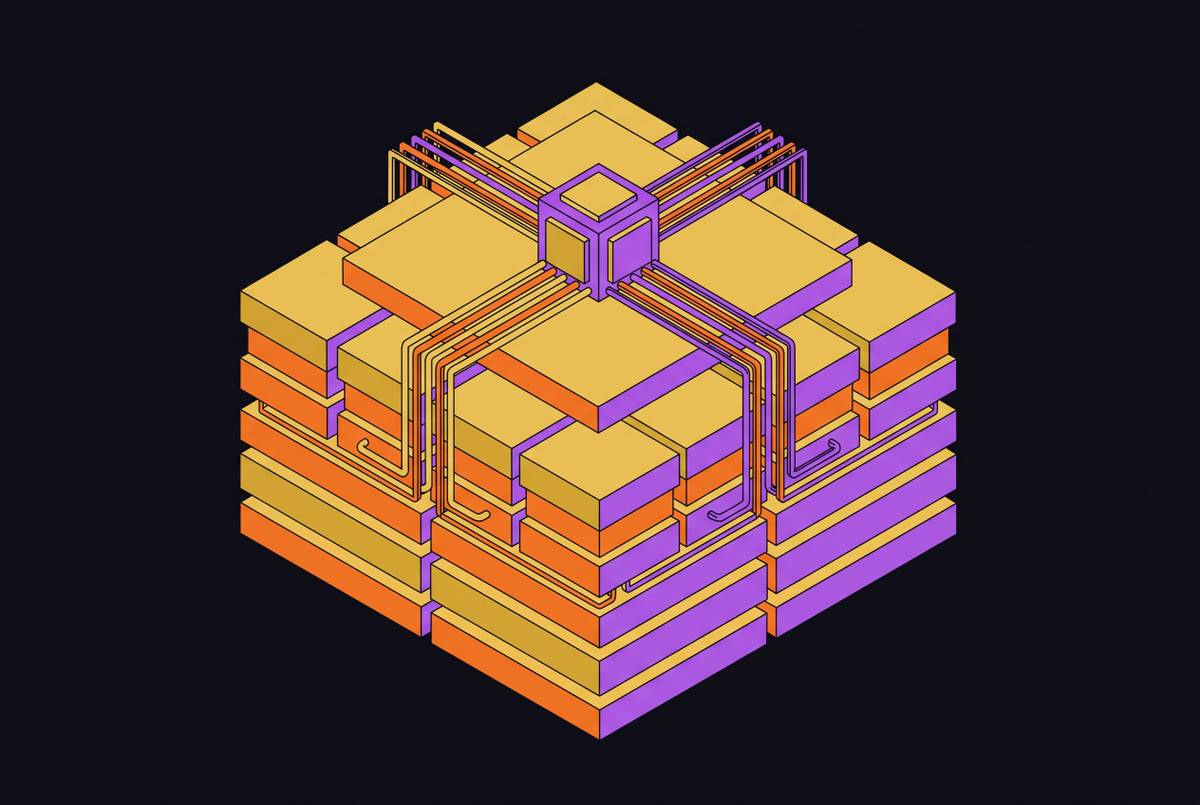
Tiering KV cache across storage requires careful I/O engineering to beat recomputation costs.
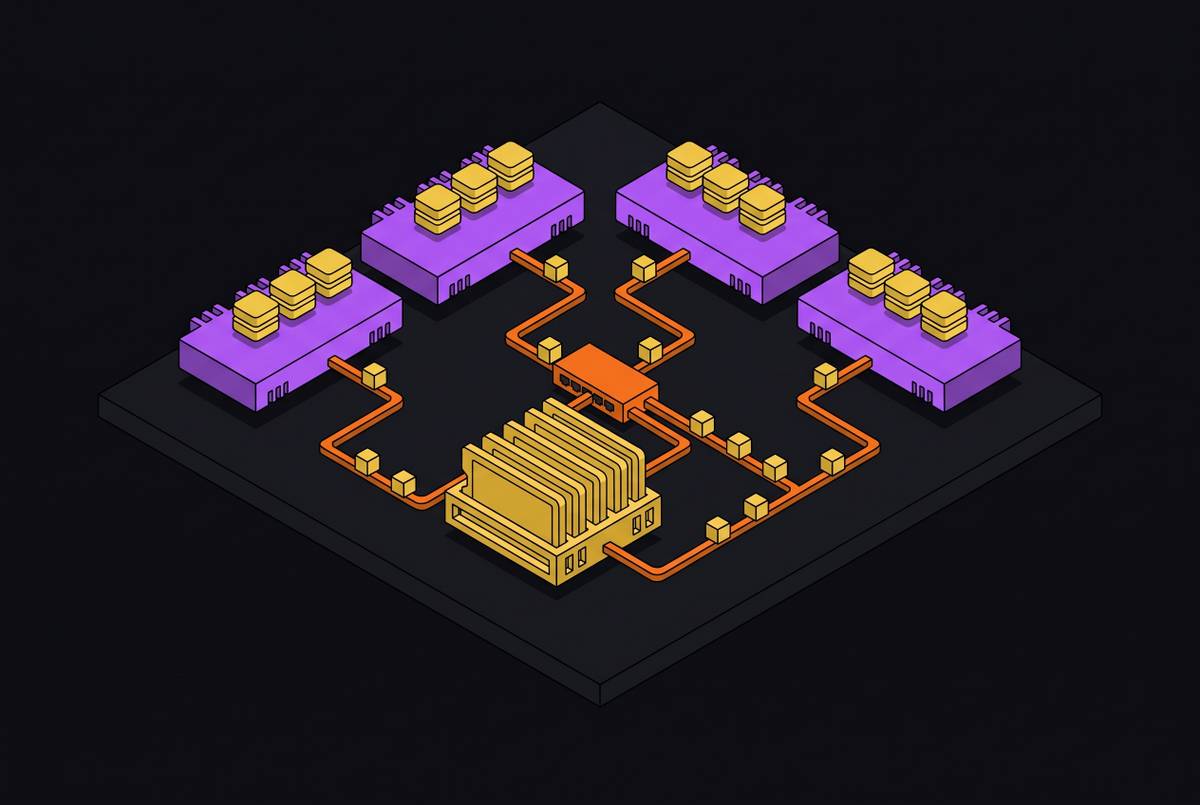
Network topology for LLM inference must optimize KV cache movement across tiered storage.
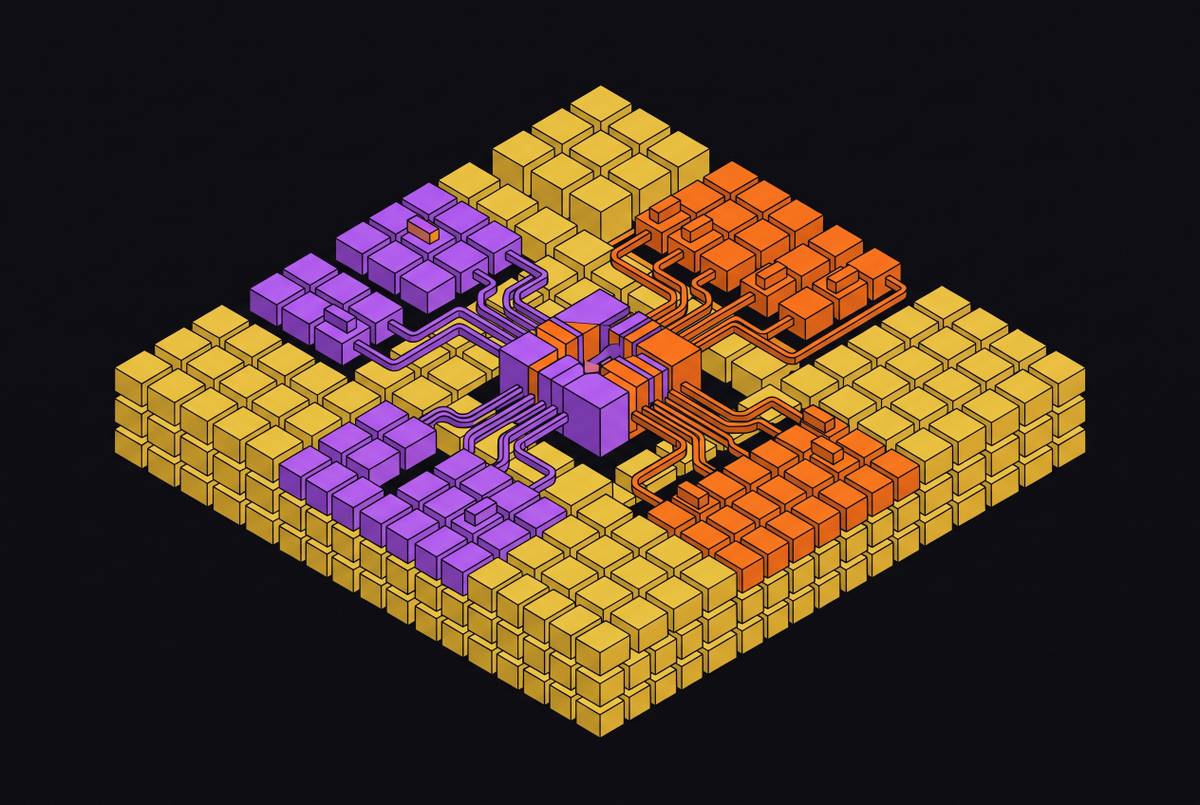
Disaggregated KV cache tiers trade memory bandwidth for storage capacity strategically.
Shared NVMe fabric turns isolated GPU cache into a cluster-wide resource.
Memory bandwidth becomes the binding constraint for long-context LLM inference at scale.
Pooling and quantization strategies reclaim wasted GPU memory for higher concurrent LLM throughput.
KV cache storage, not model size, determines long-context serving capacity.
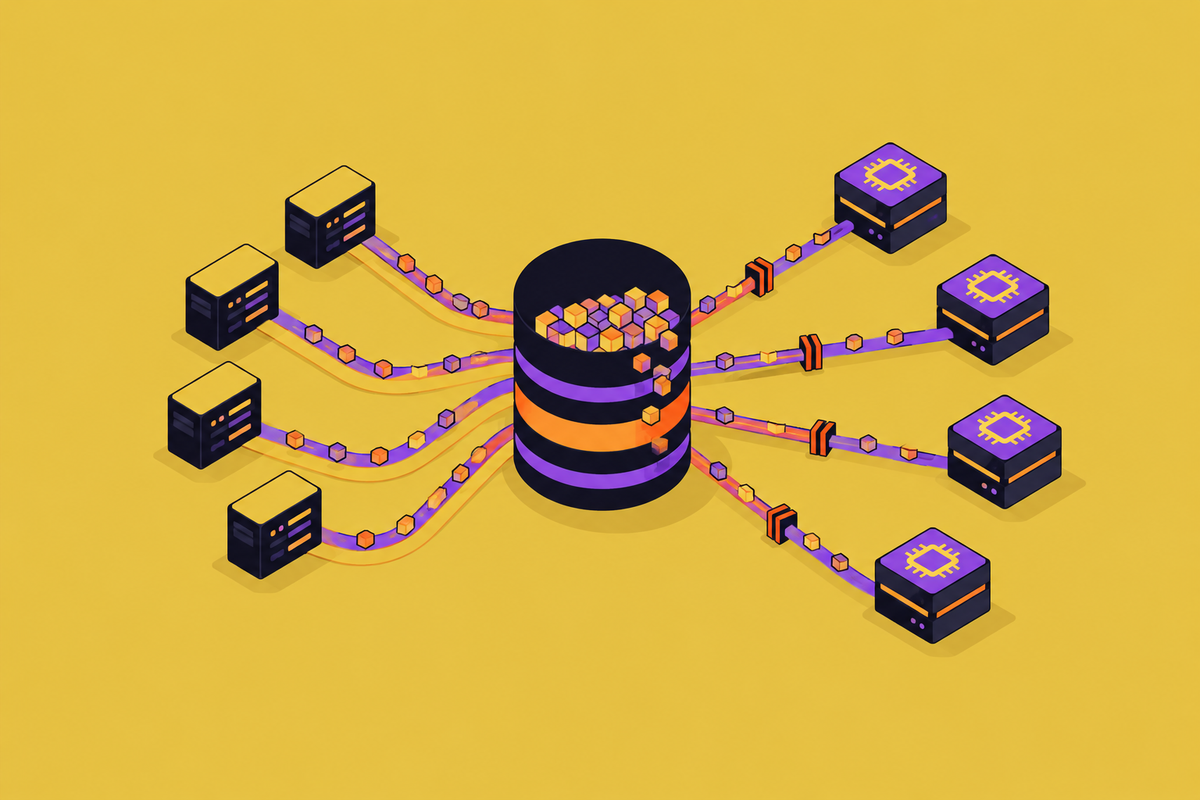
Disaggregated inference requires efficient KV cache transfer to keep decode nodes from stalling.