Multi-Round Conversation State Management at Scale for Long Contexts
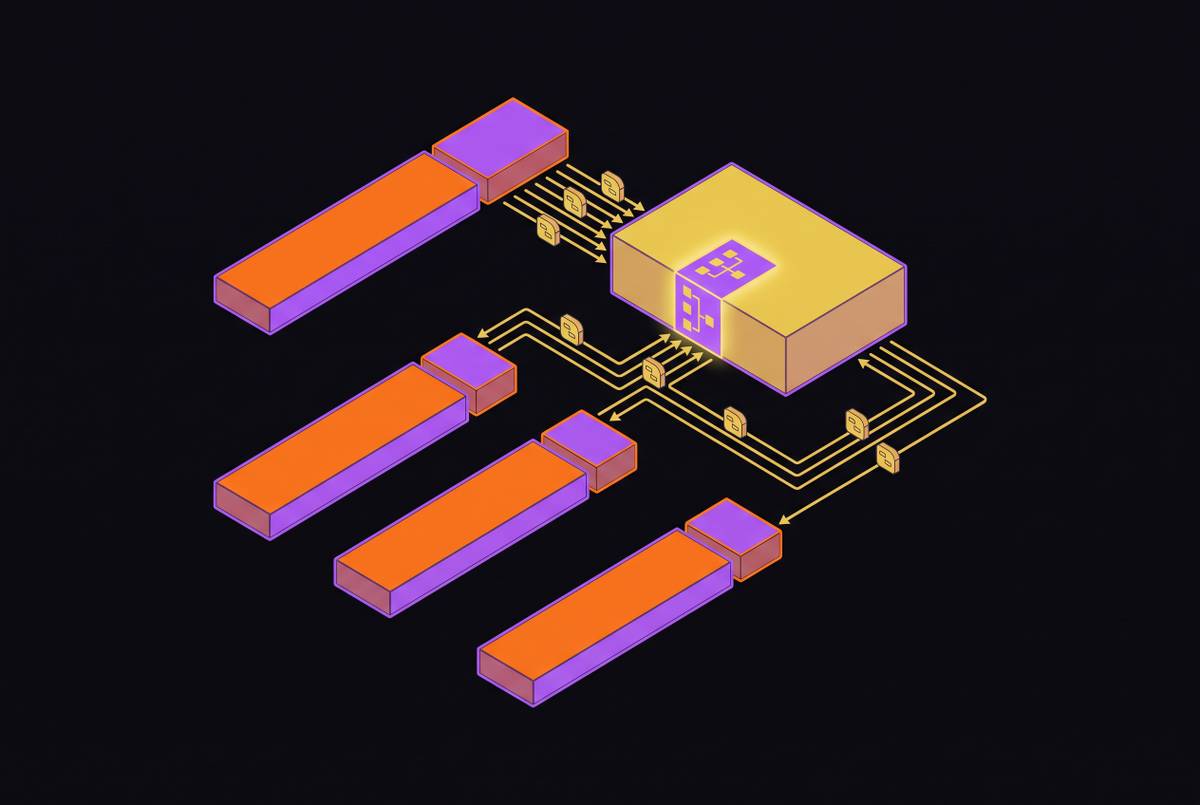
Managing KV cache across memory tiers prevents latency from becoming the bottleneck.
Tobias Wrenner
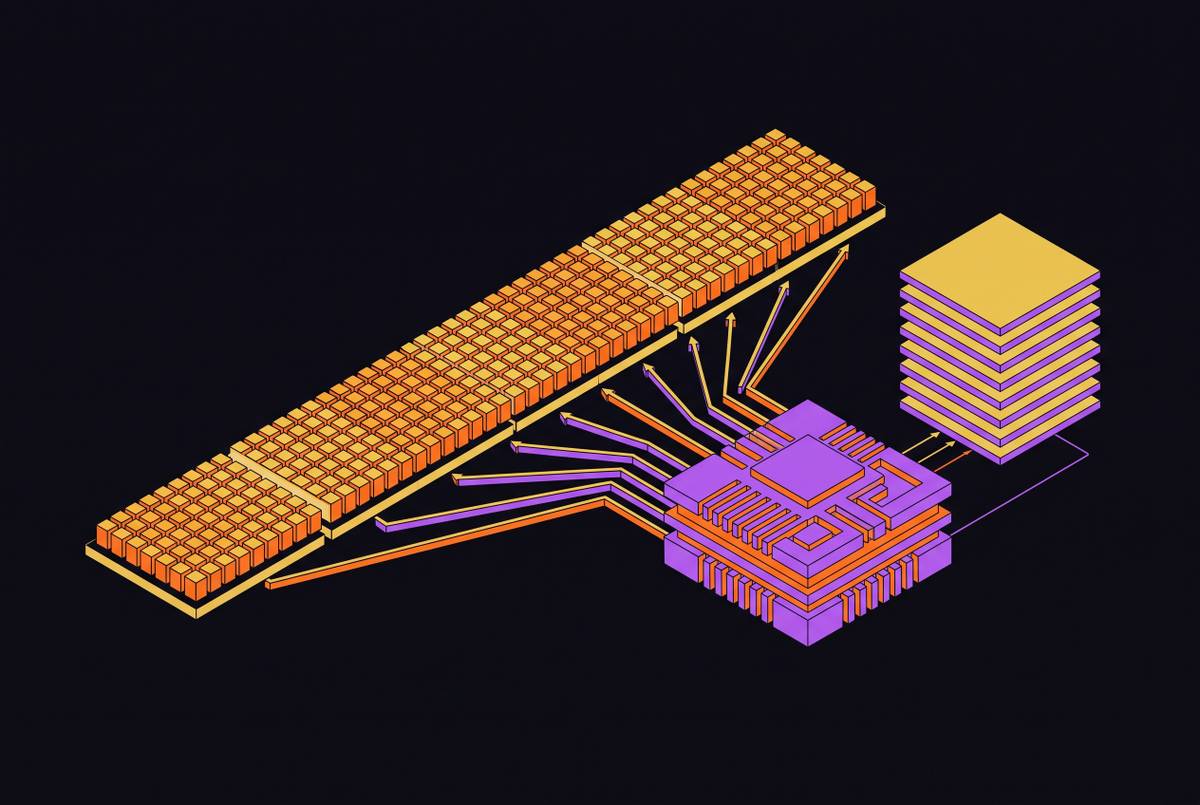
FlashAttention-3 reaches GPU compute limits on long sequences through asynchronous execution.
Managing KV cache across memory tiers prevents latency from becoming the bottleneck.
Prefix caching saves latency only when matched KV blocks stay resident on GPU.
Balancing GPU memory, cache capacity, and latency when processing prompts longer than 128K tokens.
FP8 cuts memory but batch size and hardware determine whether throughput gains are real.
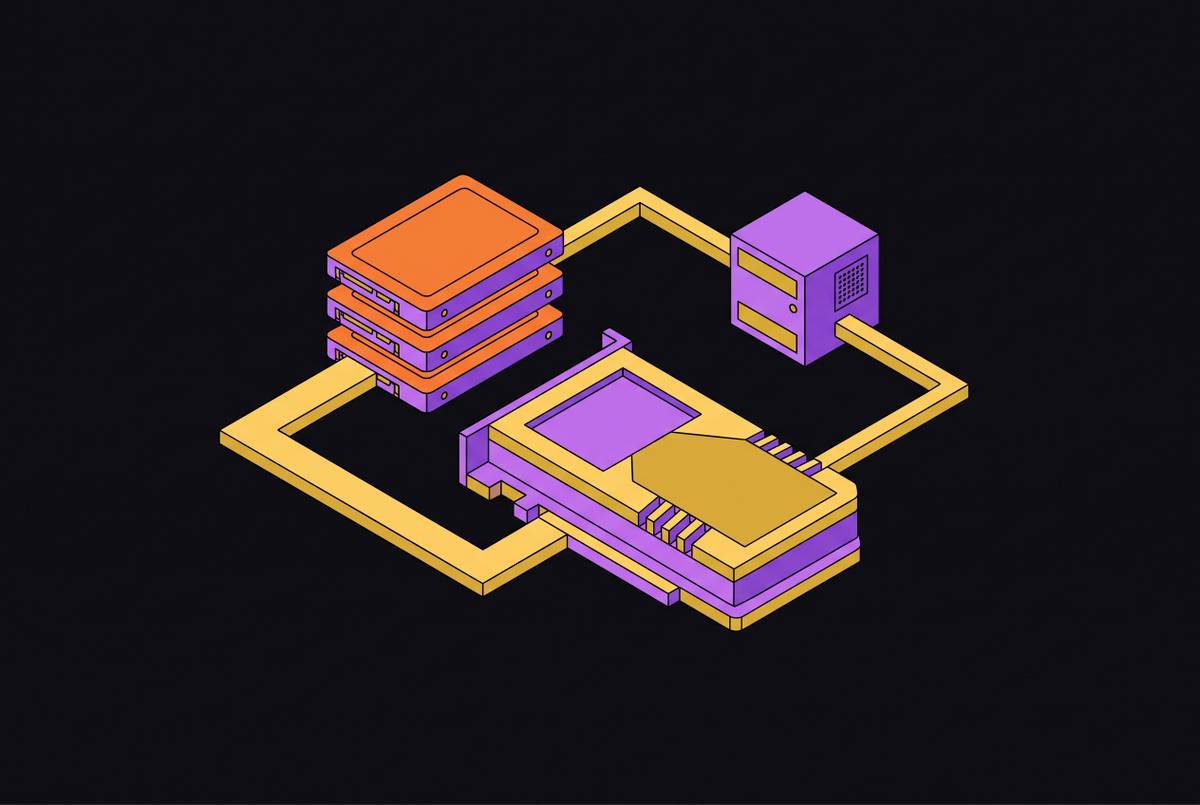
Eliminating the CPU bottleneck in GPU storage access unlocks faster inference on longer contexts.
Four sequential hardware layers determine whether serving works or merely looks feasible on paper.
Bandwidth, not storage capacity, determines how many NVMe drives you need for KV cache offloading.
Sparse expert routing requires keeping all weights accessible, not just active ones.
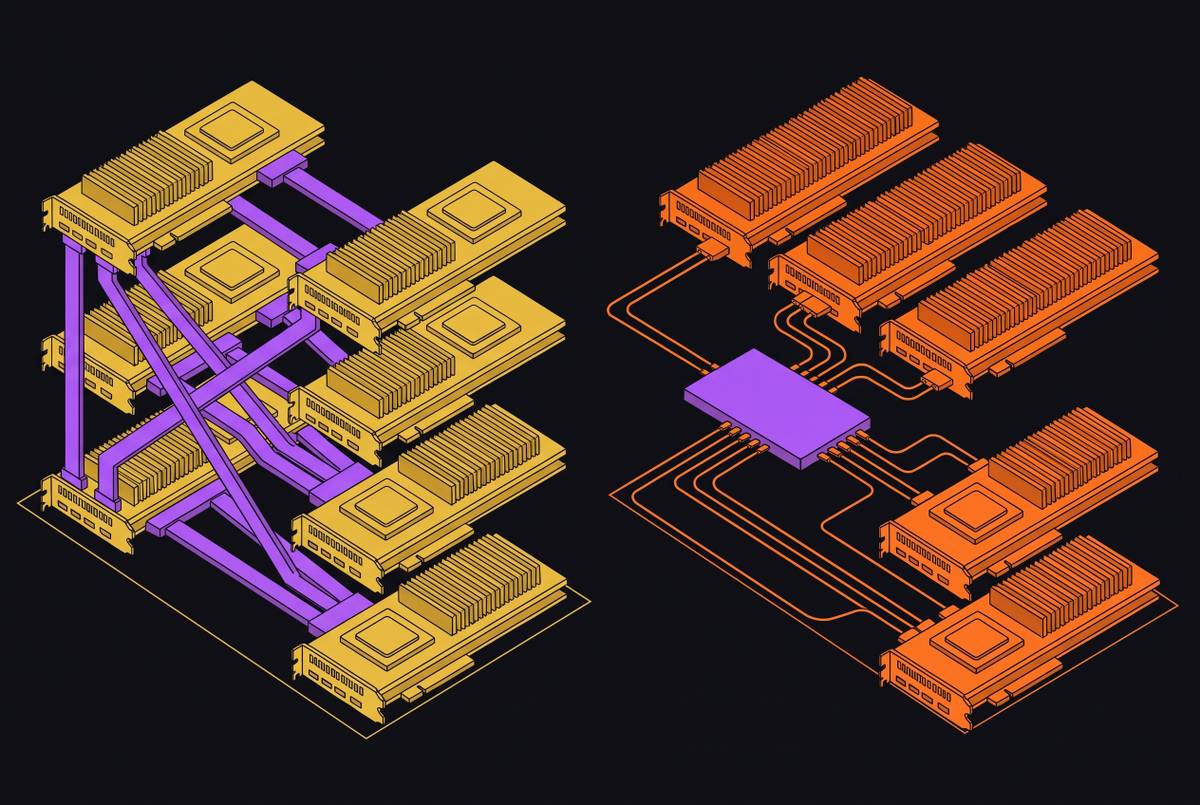
NVLink keeps tensor parallelism fast; PCIe makes pipeline parallelism necessary.
H100's compute advantage shrinks dramatically when KV cache fills up.
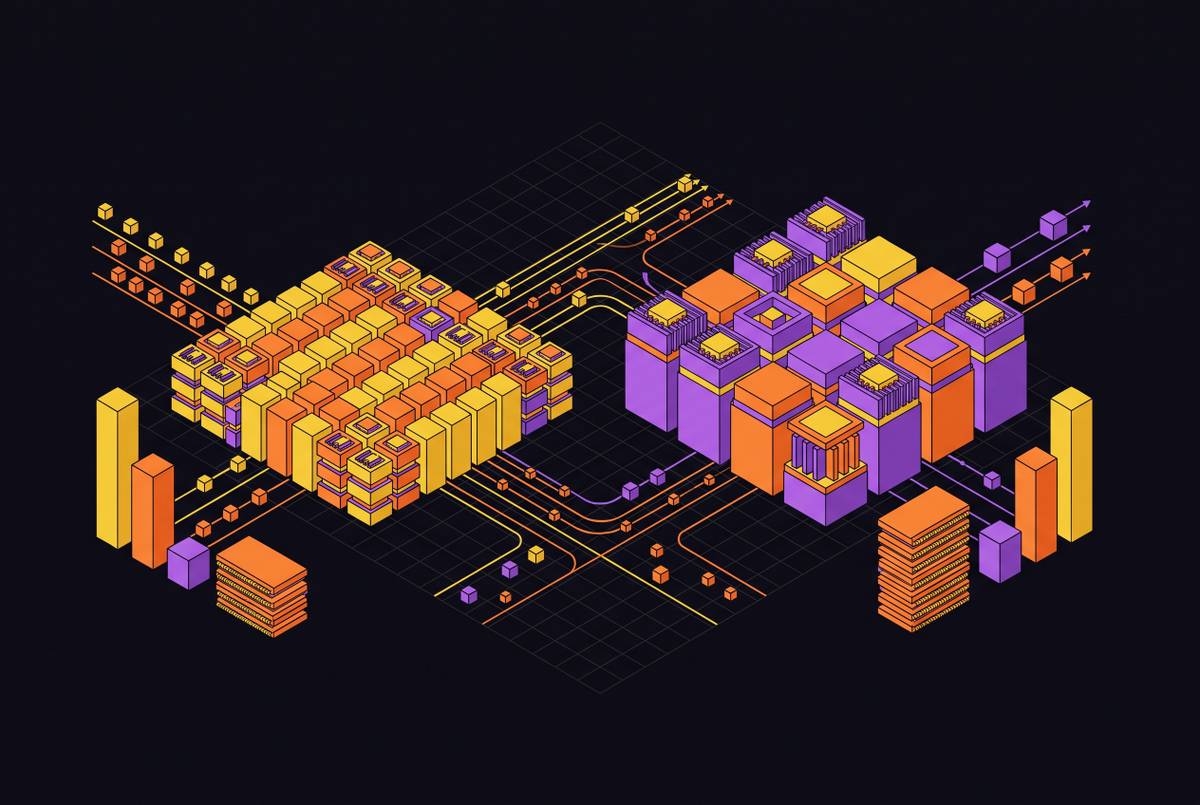
Separating prompt and token generation onto different hardware eliminates bottleneck conflicts.