Cross-Request KV Cache Persistence Patterns for Session-Aware LLM Serving
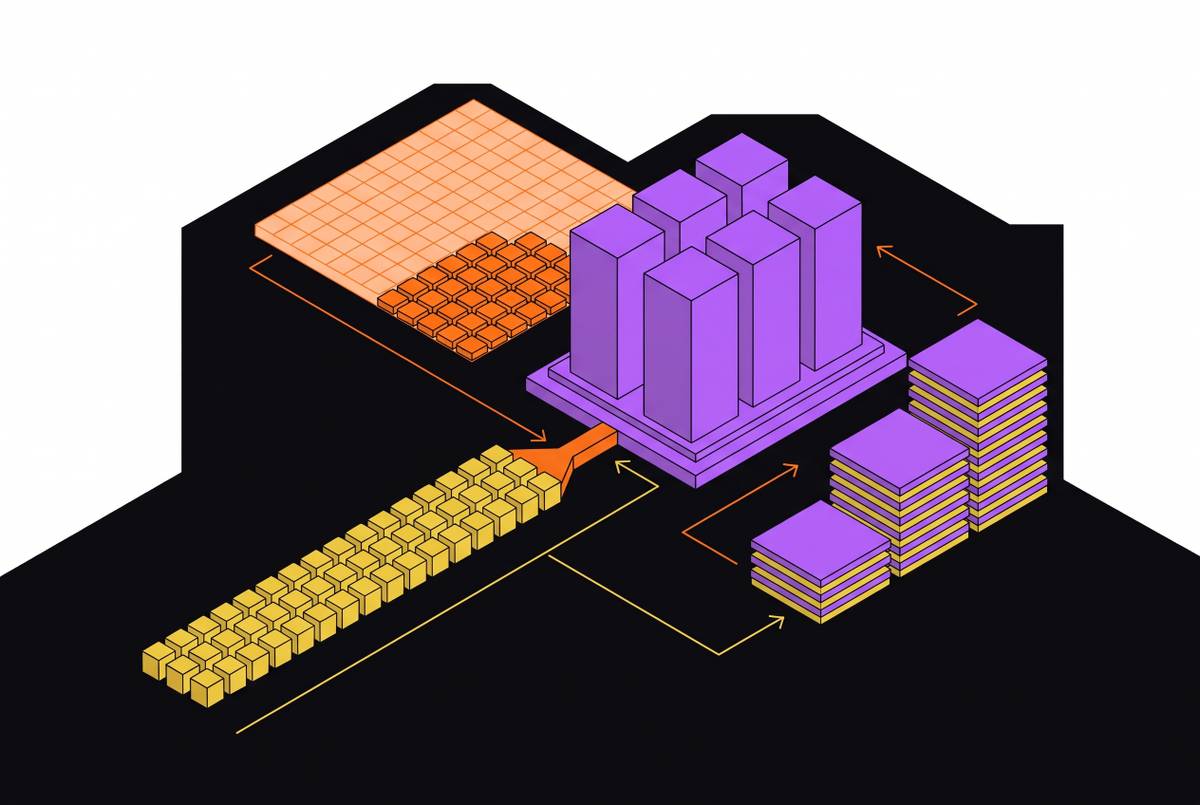
Persisting KV state pays off only when fetching beats recomputing.
Darius Okonkwo
How to choose among retaining, offloading, and discarding KV blocks.
Persisting KV state pays off only when fetching beats recomputing.
Capping KV memory per request is the biggest cost lever in long-context serving.
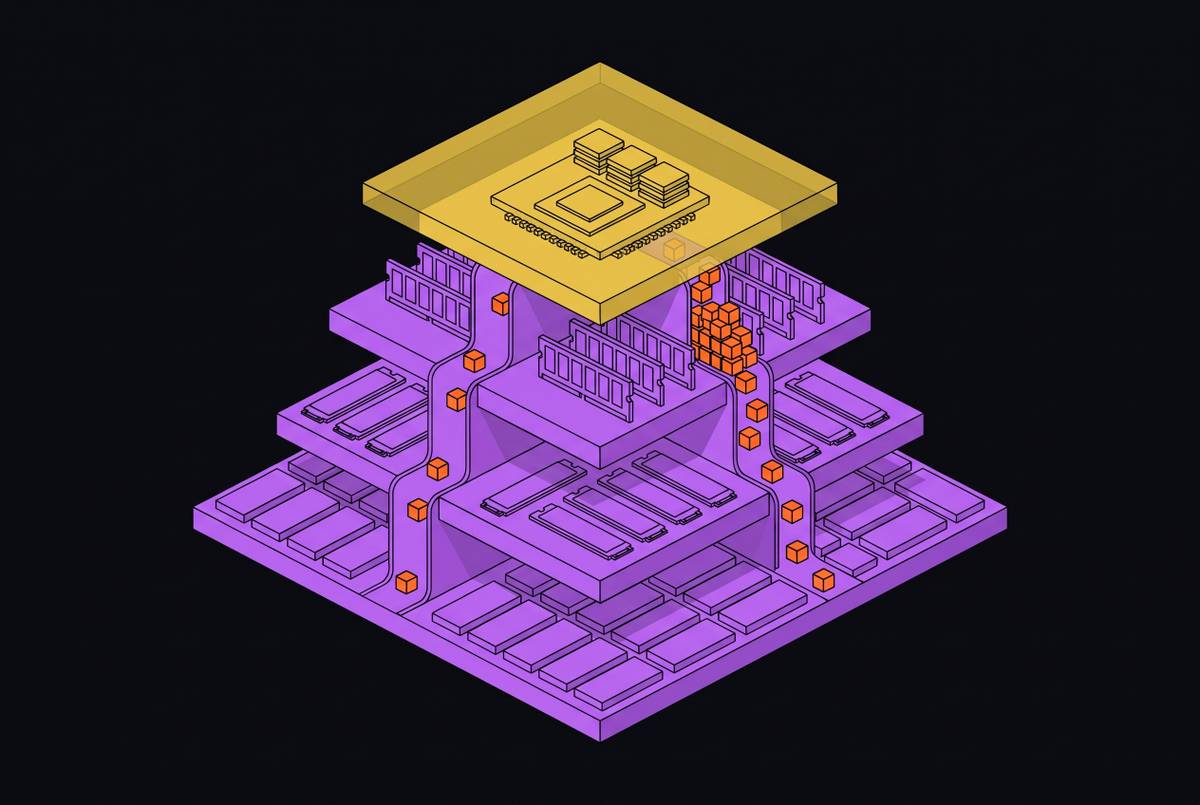
How vendors tier KV cache across HBM, DRAM, and NVMe.
Choosing the model and the instance together beats splitting the decision.
Streaming weights concurrently from object storage can reclaim most GPU minutes lost to cold starts.
Long-context KV caches outgrow HBM, so I/O speed decides latency.
Cross-node KV reuse hinges on routing, metadata, and fast transfer.
Tiered KV caches only pay off when routing, I/O, and topology cooperate.
Long-context serving needs tiered KV cache storage, and PCIe is the real bottleneck.
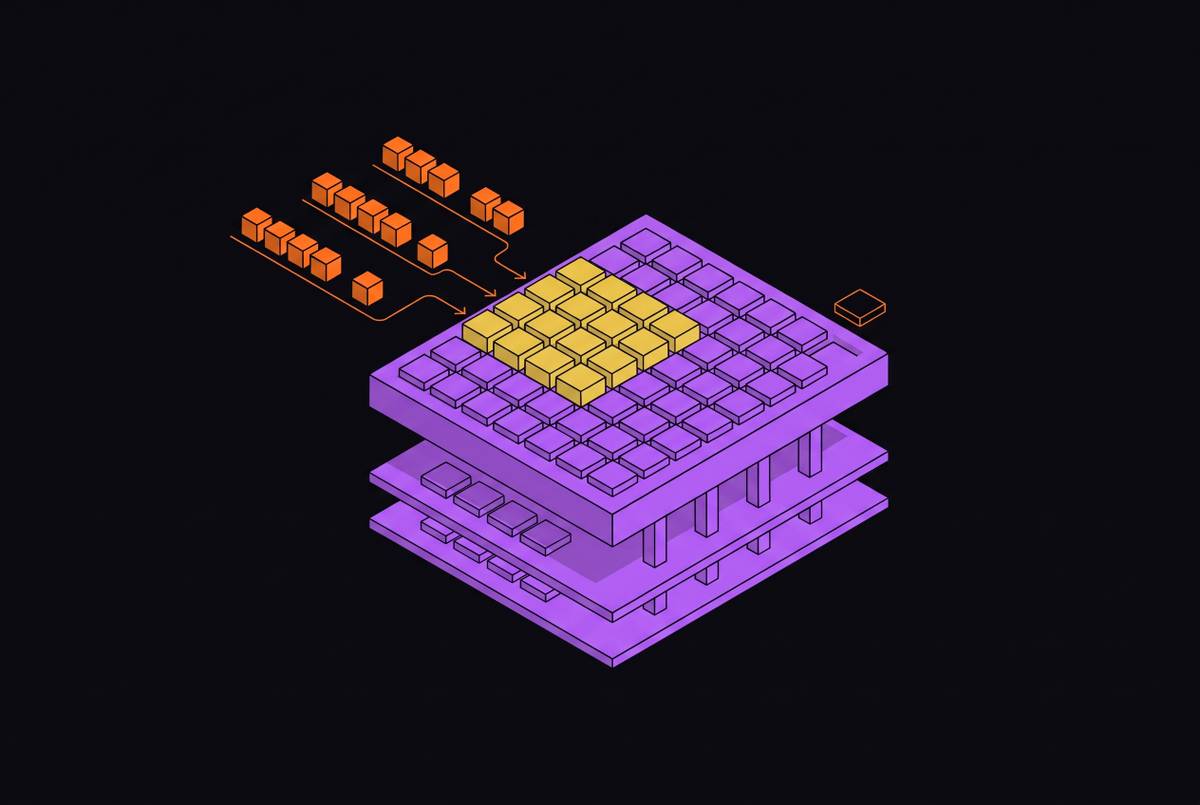
GPU memory bandwidth, not capacity, becomes the real constraint for long-context model serving.
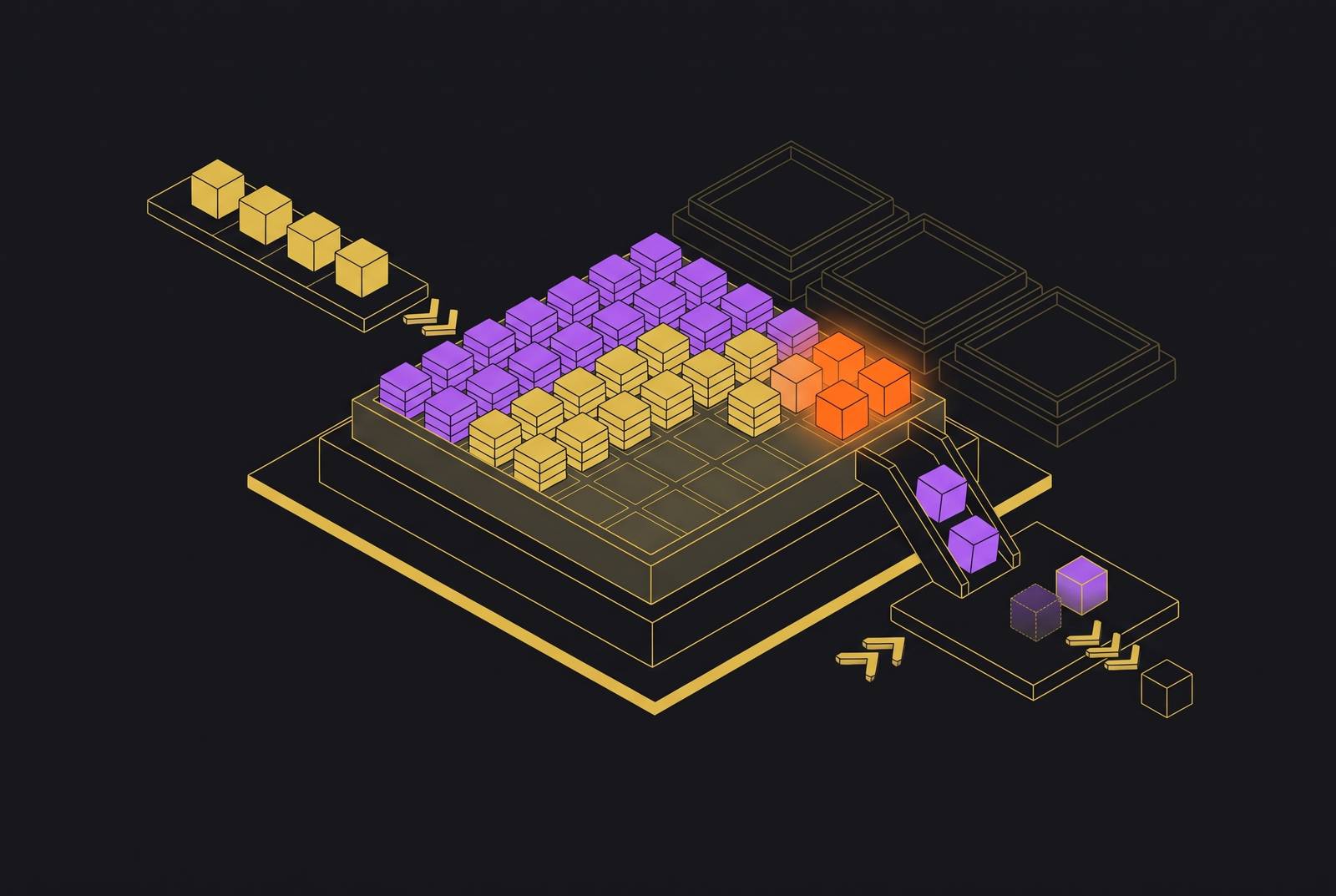
KV cache placement and eviction policy determine LLM inference throughput at scale.